Chemical Engineers
The Architects of Modern Industry
Transforming raw materials into valuable products through innovation, sustainability, and precision engineering across every sector of modern industry.
Salary Range
$73,837 - $208,353
Based on experience and specialization
Education
Bachelor's Degree
ABET-accredited program minimum
Job Growth
10%
Much faster than average (2023-2033)
Key Industries
Energy, Pharma, Tech
Plus food, materials, environment

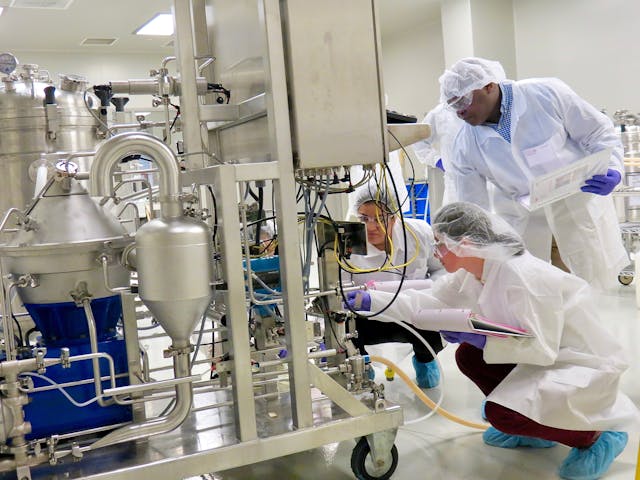
Modern chemical processing plant showcasing advanced engineering infrastructure
Definition and Scope of Chemical Engineering
Chemical engineering is a multifaceted discipline centered on the production and manufacturing of products through chemical processes [446] [551]. This involves the intricate design of equipment, systems, and processes essential for refining raw materials, as well as for mixing, compounding, and processing chemicals to create a vast array of goods.
Core Function
The translation of laboratory-developed processes into practical, scalable applications for commercial production, followed by the ongoing maintenance and enhancement of these processes [446] [481].
The field is fundamentally rooted in the core principles of engineering, including mathematics, physics, and chemistry, with biology increasingly playing a significant role in modern chemical engineering practices [446] [551]. The scope of chemical engineering is exceptionally broad, impacting nearly every article manufactured on an industrial scale.
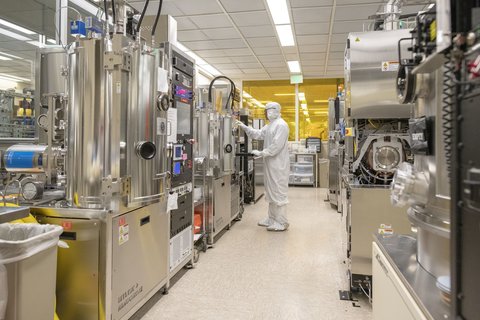
Specialized Areas
- Biochemical and biotechnical engineering
- Environmental protection
- Advanced materials development
- Aerospace, automotive, biomedical applications
Key Responsibilities and Roles
Process Design
Conceiving, designing, and developing chemical processes and associated equipment [444] [446]. Includes comprehensive economic and technical feasibility studies.
R&D
Enhancing existing chemical engineering processes, reactions, and materials, or creating entirely new ones [444] [480]. Evaluating process technology and equipment for optimal production.
Plant Operations
Overseeing construction, modification, operation, and maintenance of pilot plants, processing units, and manufacturing facilities [444] [549].
Quality & Safety
Establishing quality control programs, developing operating procedures, and implementing control strategies for safety and environmental compliance [444] [549].
Typical Work Environments and Industries
Primary Workplaces
Key Industries

Educational Requirements and Professional Development
Academic Degrees
A solid educational foundation begins with a bachelor's degree in chemical engineering or a closely related field such as nuclear engineering, bioengineering, or a physical science [535] [536]. Most entry-level positions require at least this level of qualification.
ABET Accreditation
It is highly recommended that prospective students choose programs accredited by the Accreditation Board for Engineering and Technology (ABET) or an equivalent national body [465] [501].
Advanced degrees such as a Master's or Ph.D. in chemical engineering are becoming increasingly common and can open doors to more specialized positions. Between 2007 and 2017, first-time enrollment in master's degree programs saw an increase of nearly 7%, and doctoral programs saw a 1.3% rise [536].
Core Curriculum Components
- Mathematics (calculus, statistics)
- Physics and chemistry fundamentals
- Thermodynamics
- Fluid mechanics
- Heat and mass transfer
- Separation processes
- Process control
Essential Technical Skills
Engineering Science
Strong foundation in engineering science and technology, with in-depth knowledge of chemistry and safe chemical handling [552] [412].
Computational Tools
Proficiency in specialized software for design (CAD), simulation (Aspen Plus, MATLAB), and data analysis (Python, R) [412] [427].
Process Safety
Understanding process safety management (PSM), including conducting HAZOP studies and environmental compliance [427].
Professional Licensure and Certifications
While not universally mandatory, obtaining professional licensure such as becoming a Professional Engineer (PE) can significantly enhance career prospects and open doors to advanced roles [570] [571].
Career Paths and Progression
Entry Level
0-4 years experience
Mid-Career
5-10 years experience
Senior Level
10+ years experience
Executive Roles
- • Director of Engineering
- • CTO / VP Operations
- • Principal Scientist
- • Independent Consultant
Key Focus
Strategic direction, large-scale budget management, organizational leadership
Specializations and Alternative Career Pathways
Market and Salary Analysis
Current Salary Trends and Averages (2025 Data)
Chemical Engineer Salary Distribution
AIChE Salary Survey Insights
The American Institute of Chemical Engineers' 2023 salary survey highlighted a median salary of $150,000, an 8.3% increase from $138,500 in 2021, indicating a positive growth trend in compensation [559].
Graduate Compensation
For chemical engineering graduates specifically, ZipRecruiter reports an average hourly wage of $42.06, translating to an annual salary of $87,487 as of June 2025 [525].
Factors Influencing Salary
Experience Impact
Education Level Impact
Median salaries [559]
Employment Growth Projections
BLS Projections: 2023-2033
According to the U.S. Bureau of Labor Statistics (BLS), employment of chemical engineers is projected to grow by 10 percent from 2023 to 2033, a rate much faster than the average for all occupations [345] [353].
This growth is attributed to increasing demand for efficient chemical processes in a sustainable economy, development of innovative materials, and integration of advanced technologies in manufacturing.
Notable Chemical Engineers and Their Contributions
Pioneers and Historical Figures

Influential Modern Chemical Engineers
Dr. Frances Arnold
Nobel Laureate, Directed Evolution Pioneer
Leading figure in the field of directed evolution of enzymes, with wide-ranging applications in sustainable biofuels, pharmaceuticals, and green chemical synthesis. Nobel Prize winner for her revolutionary work [116].
Dr. Man Mohan Sharma
Multiphase Reaction Engineering Expert
Renowned for his work in multiphase reaction engineering and contributions to academia, earning prestigious awards like the Padma Bhushan and Padma Vibhushan. His research has substantially impacted industrial process development [359].
Diverse Career Examples and Impact Across Sectors
Beyond Traditional Engineering
Chemical engineering education provides a versatile skill set that extends far beyond traditional manufacturing roles. The problem-solving and analytical skills gained can be foundational for success in diverse professions [16].
Entertainment
Frank Capra - Acclaimed film director ("It's a Wonderful Life") with a chemical engineering degree from CalTech [16]
Terrance Howard - Actor who studied chemical engineering at Pratt Institute [16]
Leading Companies and Organizations
Chemical engineers are in demand across a multitude of sectors, reflecting the broad applicability of their skills in process design, optimization, research, and management.
Major Corporations
Chemicals & Materials
Energy
Pharmaceuticals & Biotechnology
Engineering & Research Organizations
Engineering Firms
Research Institutions
Emerging Companies
Industry Diversity
This diverse range of employers highlights the versatility and enduring demand for chemical engineering expertise across traditional manufacturing, cutting-edge research, and emerging sustainable technologies. The field continues to evolve with opportunities in renewable energy, biotechnology, and environmental solutions.
Actual Cases and Typical Examples
Case Study: Innovation in Food Processing
Chemical engineers play a crucial, albeit often unsung, role in the food production industry, focusing on developing innovative methods to process and manufacture food products, ensuring safety, quality, and efficiency [283].
Key Contributions
- Designing more efficient pasteurization techniques for milk
- Developing novel packaging solutions for perishable goods
- Extending shelf life and reducing spoilage
- Ensuring food safety and quality standards
Real-World Example: Fonterra
In New Zealand, Fonterra, a major food production company, employs chemical engineers integral to their operations, ensuring the quality and safety of products like Anchor milk, Fresh 'n Fruity yoghurt, and Kāpiti ice creams [283].

Impact Areas
The expertise in unit operations, thermodynamics, and material science is directly applicable to solving complex challenges in food processing and manufacturing, contributing to public health and food security.
Examples of Chemical Engineering in Sustainable Practices
2025 Case Study Competition Winner
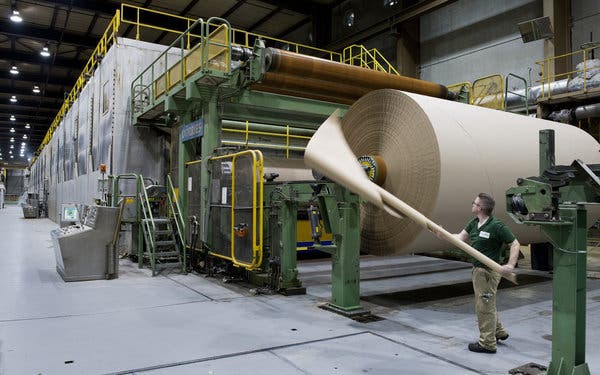
A team of chemical engineering students from Institut Teknologi Bandung (ITB) won first place for their project: "Sustainable Valorization of the Pulp and Paper Waste into Value-added Products: Paper Fillers and Biochar" [275].
This project, developed in collaboration with April Group, focused on reducing solid waste sent to landfills by converting pulp and paper waste into valuable products using waste-to-value and waste-to-energy principles.
Sustainable Solutions Developed
Produced from waste for use as paper fillers (waste-to-value)
Created through pyrolysis (waste-to-energy)
Circular Economy Principles
This case study exemplifies how chemical engineering principles can be applied to create innovative and sustainable solutions for industrial waste, contributing to a greener future through circular economy practices.
Renewable Energy and Carbon Capture
Chemical engineers are at the forefront of developing renewable energy technologies and carbon capture solutions. They design, optimize, and implement processes for:
Role in Developing New Materials and Technologies
Chemical engineers are instrumental in the discovery, development, and manufacturing of new materials and technologies that underpin modern society and drive innovation across numerous sectors [295].
Advanced Materials Development
Creating substances with tailored properties such as specific weight, strength, heat transfer capabilities, reflectivity, and purity for industries ranging from aerospace to electronics [295].
Nanotechnology Applications
Synthesizing nanoparticles and nanostructured materials with unique properties applicable in medicine, energy, and manufacturing at the nanoscale (1-100 nanometers) [320].
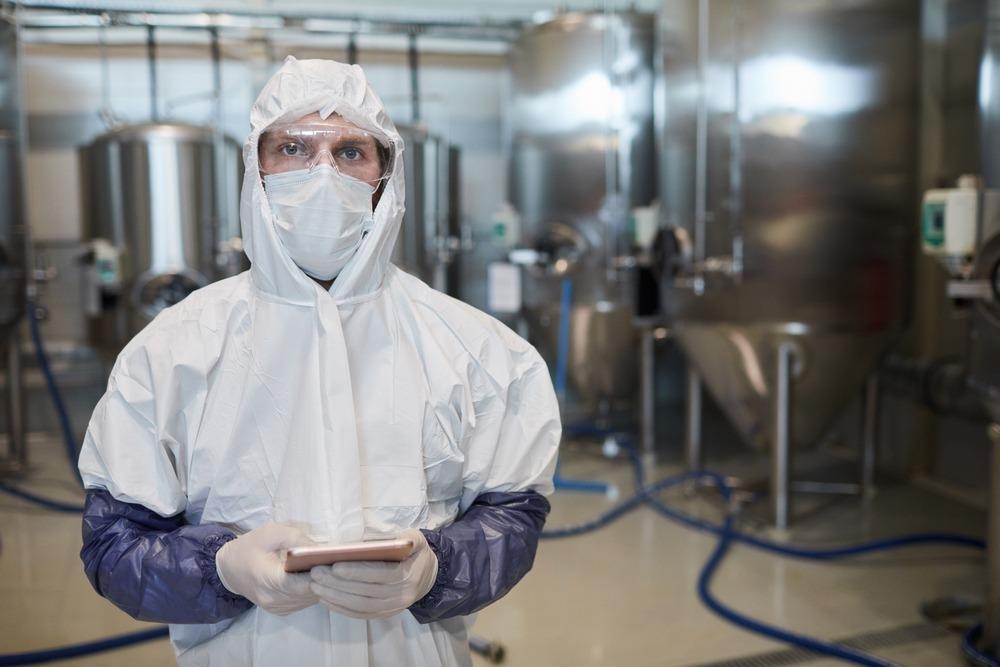
Pharmaceutical Scale-up
Transferring small-scale research products to large-scale manufacturing, designing processes for APIs and finished drug products with consistency and quality [306].
Capstone Project Example
University of Waterloo students worked on "Extraction of UV Filters from Macroalgae for Reef Safe Sunscreen" - designing and scaling an extraction process for naturally occurring UV filters from algae [308].
This project aims to provide a sustainable alternative to conventional sunscreen ingredients that can harm marine life, involving lab experimentation and simulation to optimize process parameters for yield, quality, and cost.
Energy Storage Innovation
Another capstone project focused on "Design and Optimization of an Ammonia Energy Storage System" for the City of Kitchener, highlighting the role in developing new energy technologies using ammonia as a hydrogen carrier [308].
Emerging Trends and Future Outlook
Sustainability, Green Chemistry, and Environmental Focus
A significant and defining trend in chemical engineering for 2025 and beyond is the intensified focus on sustainability, green chemistry, and environmental stewardship [167] [176].
Carbon Capture and Storage (CCS/CCUS)
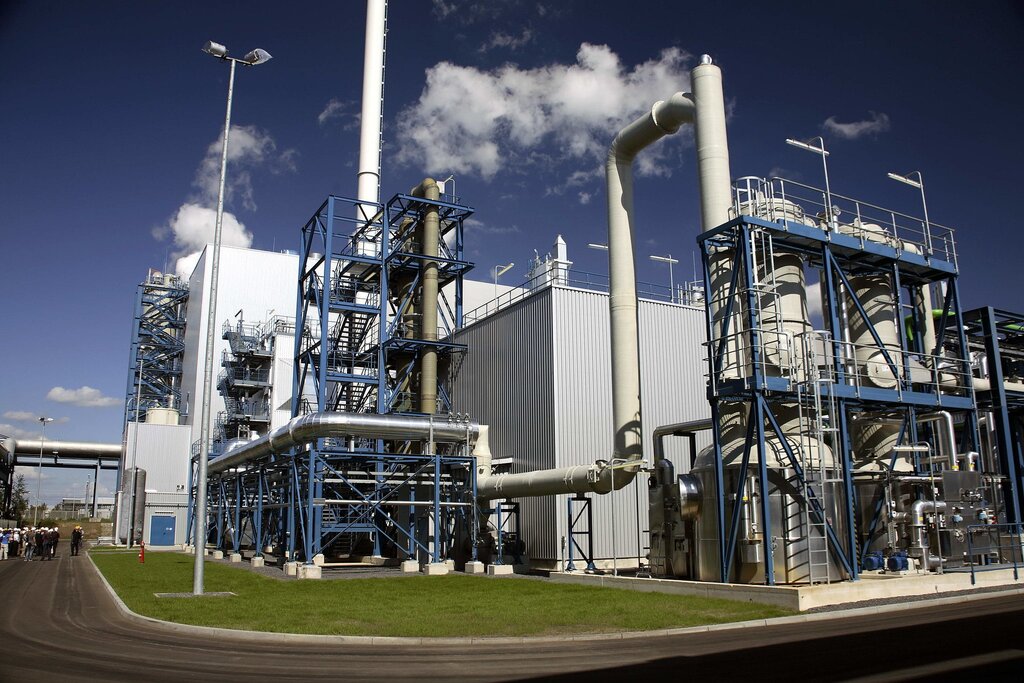
Designing systems to capture CO2 emissions from industrial processes and either store them safely or transform them into valuable products [167] [169].
Renewable Energy Development
Optimizing production processes for biofuels, green hydrogen, and other alternative fuels to make them more economically viable and scalable [167] [169].
Green Chemistry Principles
Creating eco-friendly materials, such as biodegradable plastics and sustainable packaging, while advancing recycling technologies including chemical recycling [167].
Industry Applications
In the automobile industry, chemical engineers are developing bio-lubricants and improving fuel economy through advanced additive chemistry, contributing to reduced emissions and enhanced vehicle sustainability [176].
The overall trajectory indicates that sustainability will not be a niche specialization but a core competency expected of all chemical engineers, fundamentally shaping the future of the profession.
Digital Transformation: AI, Data Analytics, and Digital Twins
The chemical engineering landscape in 2025 is being profoundly reshaped by the ongoing digital transformation, particularly through the integration of Artificial Intelligence (AI), data analytics, and digital twin technology [167] [174].
AI and Machine Learning
Analyzing vast datasets from plant operations for predictive maintenance, early fault detection, and real-time process optimization. AI can model complex chemical reactions and predict product yields more rapidly than traditional methods [167].
Digital Twins
Virtual replicas of physical processes allow engineers to simulate and test modifications, troubleshoot issues, and train operators in a safe virtual environment before implementing changes in actual plants [167].
Generative AI Impact
Automating routine tasks such as data sorting and documentation, freeing engineers to focus on complex problem-solving. AI language models can process technical documentation and operational data [174].

New Career Opportunities
The emergence of new job titles like "AI chemical design engineer" underscores the integration of digital technologies in the field. Chemical engineers will need to acquire skills in data science, programming, and AI application [176].
AI-driven systems in smart manufacturing are optimizing production by reducing costs, improving energy efficiency, and minimizing waste generation.
Accenture Report Insights
AI will be crucial for improving labor productivity in the chemicals industry, especially in light of anticipated talent shortages due to retirements. Chemical companies are increasingly investing in AI projects for customer service, R&D, and plant operations [174].
Advancements in Biotechnology and Healthcare
The intersection of chemical engineering with biotechnology and healthcare is a rapidly advancing frontier, offering transformative solutions for medical treatments, diagnostics, and sustainable biomanufacturing.
Biopharmaceuticals
Designing and optimizing complex bioreactor systems for cell culture and fermentation, developing efficient downstream purification processes for monoclonal antibodies, vaccines, and gene therapies.
Tissue Engineering
Creating scaffolds that mimic the extracellular matrix, developing controlled drug delivery systems for growth factors, and understanding cell-material interactions for tissue regeneration.
Drug Delivery Systems
Pioneering innovations in nanoparticles, liposomes, and implantable devices to improve drug efficacy, reduce side effects, and enable targeted therapy for diseases like cancer.
Synthetic Biology
Designing and constructing new biological parts, devices, and systems, or re-designing existing natural biological systems for useful purposes. This includes engineering microorganisms to produce biofuels, biochemicals, and novel materials sustainably.
The development of biosensors and diagnostic tools also benefits from chemical engineering expertise in microfluidics, surface chemistry, and signal transduction.
Biomanufacturing Efficiency
The application of process systems engineering principles to biological systems is leading to more efficient and scalable biomanufacturing processes, reducing costs and environmental impact while translating biological discoveries into healthcare solutions.
Interdisciplinary Collaboration and Addressing Global Challenges
The future of chemical engineering is increasingly characterized by interdisciplinary collaboration as the profession tackles complex global challenges that transcend traditional disciplinary boundaries.
Collaborative Fields
Global Challenges
- • Climate change mitigation
- • Sustainable energy solutions
- • Water scarcity
- • Food security
- • Public health
Systems-Level Perspective
Understanding societal and economic implications of new technologies, ensuring solutions are technically sound, socially responsible, and economically viable.

Example: Carbon Capture Integration
Developing effective carbon capture and utilization technologies requires expertise in chemical reaction engineering, materials science for sorbent development, and process systems engineering for integration into industrial plants.
The ability to communicate effectively across disciplines, integrate diverse knowledge, and work in diverse teams is becoming a critical skill for chemical engineers.
Evolving Role
The chemical engineer's role is evolving from a specialist in chemical processes to a key player in multidisciplinary teams addressing some of the world's most pressing challenges, requiring adaptability and broad perspective.