Agricultural Engineering
Where innovation meets cultivation—transforming global agriculture through engineering excellence and sustainable practices
Global Impact
Feeding 10 billion by 2050 through sustainable innovation
Growing Demand
8% projected job growth with 100+ annual openings in US
Multidisciplinary
Integrating engineering, biology, and environmental science
Sustainability
Leading climate-smart agriculture and resource conservation
Career Pathways
Introduction to Agricultural Engineering
Agricultural engineering stands at the intersection of technology, biology, and environmental science, dedicated to enhancing the efficiency, sustainability, and productivity of agricultural practices. This discipline applies engineering principles and technological advancements to solve complex challenges in agriculture, ranging from farm machinery automation and precision irrigation to food processing and environmental conservation.
Core Responsibilities
- Designing and testing agricultural machinery and equipment
- Planning agricultural structures and environmental control systems
- Researching new farming methods and technologies
- Ensuring compliance with safety standards and regulations
Multidisciplinary Nature
Agricultural engineering integrates knowledge from various scientific and engineering fields:
"Agricultural engineers play a pivotal role in designing and implementing innovative solutions that address global food security, resource management, and the environmental impact of farming."
The Agricultural Engineer's Impact
Global Food Security
Developing technologies to feed a growing population sustainably
Resource Conservation
Optimizing water, energy, and land use in agricultural systems
Environmental Protection
Reducing agriculture's environmental footprint through innovation
Educational Pathways and Training
Academic Requirements
Bachelor's Degree
Foundation in agricultural engineering or related field (biological engineering, biosystems engineering)
Typical Curriculum
- • Mathematics (Calculus, Differential Equations)
- • Physics, Chemistry, and Biology
- • Statics, Dynamics, Thermodynamics
- • Agricultural Machinery Design
- • Irrigation and Drainage Engineering
- • Environmental Control Systems
ABET Accreditation
Selecting an ABET-accredited program is crucial for Professional Engineer (PE) licensure and career advancement.
Benefits
- • Meets rigorous quality standards
- • Recognized by employers
- • Required for PE licensure
- • Enhances career opportunities
Advanced Degrees
Master's Degree
Deeper specialization in precision agriculture, water resources, food process engineering, or bioenergy
Ph.D. Programs
Research-intensive programs for academia, high-level research, and senior scientific positions
Practical Training & Experience
Internships & Co-op Programs
Hands-on experience with agricultural machinery manufacturers, research institutions, and consulting firms
Apprenticeships
Structured learning combined with hands-on work under experienced professionals
On-the-Job Training
Employer-provided training on specific processes, equipment, and company protocols
Specialized Programs
Texas A&M University
Eight specialized degree programs in Biological and Agricultural Engineering
University of Florida
ME, MS, and Ph.D. programs in Agricultural and Biological Engineering
University of Georgia
MS and PhD programs in Agricultural Engineering and Biological Engineering
Licensing & Certification
Professional Engineer (PE)
Step 1: Education
Graduate from ABET-accredited engineering program
Step 2: FE Exam
Pass Fundamentals of Engineering exam
Step 3: Experience
4 years under licensed PE supervision
Step 4: PE Exam
Pass Principles and Practice exam
Specialized Certifications
ASABE Certifications
American Society of Agricultural and Biological Engineers
Chartered Engineer (CEng)
UK Institution of Agricultural Engineers
AAC Certification
Accredited Agricultural Consultant (ASFMRA)
Region-Specific
Various country-specific certifications available
Continuing Education
Mandatory Requirements
PE license maintenance through continuing education
Workshops & Conferences
Stay updated with latest technologies and practices
Online Learning
Professional development courses and webinars
Industry Publications
Stay current with research and trends
Benefits of Professional Licensure
Professional Credibility
Demonstrates competence and professionalism
Career Advancement
Enhanced job opportunities and promotions
Higher Earnings
Licensed engineers typically earn higher salaries
Legal Authority
Sign off on engineering designs and offer public services
Market Analysis & Career Outlook
Global Job Market Trends
Key Demand Drivers
Growing Global Population
Projected to reach nearly 10 billion by 2050, requiring enhanced agricultural productivity
Sustainable Farming Practices
Increasing demand for resource conservation and environmental protection
AgTech Revolution
Precision agriculture, automation, and data analytics creating new opportunities
Bioeconomy Growth
Development of biofuels and bioproducts from agricultural feedstocks
Employment Growth
Regional Employment Hotspots
United States
Key States
California, Iowa, Illinois, Texas
Metro Areas
Oklahoma City, Lafayette-West Lafayette
Major Employers
USDA, John Deere, AGCO, universities
Canada
Key Provinces
Ontario, Saskatchewan, Alberta
Focus Areas
AgTech, food processing
Average Salary
$112,245 CAD/year
European Union
Key Countries
Netherlands, Germany, France
Focus Areas
Sustainable agriculture, precision farming
Drivers
EU policies, environmental directives
Australia
Key Challenges
Water management, climate variability
Focus Areas
Irrigation, soil conservation
Salary Range
AUD $65k-$150k
India
Market Size
Large agrarian economy
Focus Areas
Farm mechanization, micro-irrigation
Salary Range
₹300k-₹1.2M/year
Other Regions
Latin America
Brazil: R$60k-R$100k entry-level
Africa
Climate-smart agriculture initiatives
Asia-Pacific
Growing technology adoption
Impact of Emerging Technologies
Precision Agriculture
GPS, sensors, drones, data analytics
Automation & Robotics
Autonomous tractors, robotic harvesters
Biotechnology
Genetic engineering, phenotyping
Renewable Energy
Solar irrigation, biogas plants
Salary & Compensation Analysis
Global Salary Overview
| Region | Salary Range (USD) | Key Markets | Factors |
|---|---|---|---|
| North America | $70,000 - $120,000 | USA, Canada | Strong agricultural sector, high tech adoption |
| Europe (West) | $60,000 - $98,000 | Luxembourg, Netherlands, UK | Advanced agriculture, EU policies |
| Europe (East) | $33,000 - $55,000 | Armenia | Developing markets, growing tech |
| Asia-Pacific | $53,000 - $87,000 | Australia, New Zealand, India | Varying economic conditions |
| Latin America | $30,000 - $60,000 | Brazil | Emerging markets, agriculture-focused |
Salary by Experience Level (US)
Entry Level (0-1 yr)
Recent graduates, limited experience
Early Career (1-4 yrs)
Some experience, developing skills
Mid Career (5-10 yrs)
Experienced professionals
Senior Level (10+ yrs)
Expertise, leadership roles
Salary by Region (Selected)
United States
Canada
United Kingdom
Australia
Luxembourg
India
Factors Influencing Salary
Education
Advanced degrees (Master's, Ph.D.) can increase earnings by up to 60%
Specialization
High-demand areas like precision agriculture and data analytics command premium salaries
Location
Regions with strong agricultural economies or AgTech hubs offer higher compensation
Industry
Manufacturing, R&D, and government agencies have different pay scales
Practical Applications & Case Studies
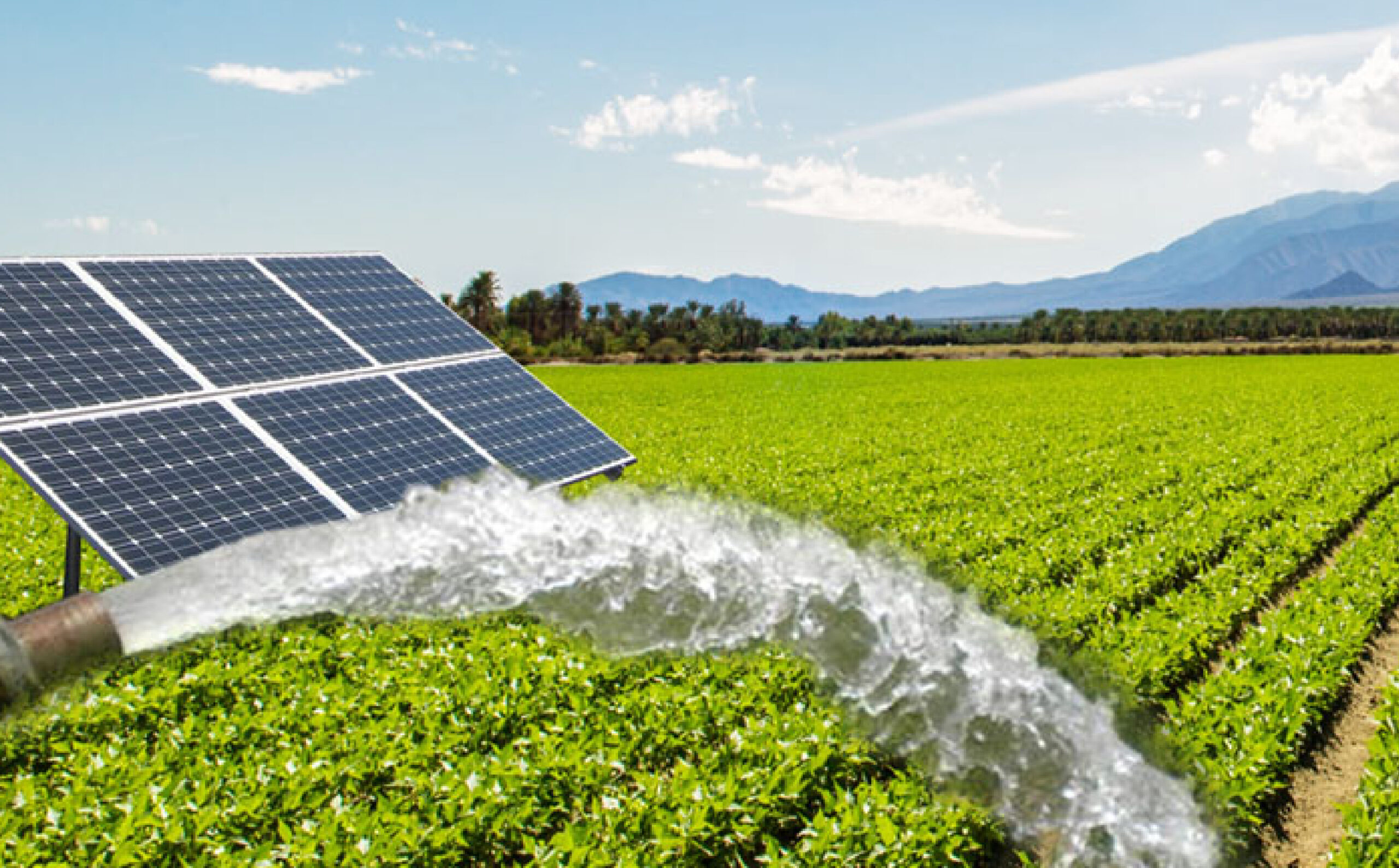
Revolutionizing Irrigation in Rajasthan
Solar-powered micro-irrigation systems transformed water-scarce farmlands into productive agricultural hubs.
Key Technologies
- • Drip and sprinkler irrigation systems
- • Solar energy power supply
- • Soil moisture sensors
- • Farmer training programs
Impact
Farmers can now cultivate high-value crops like fruits and vegetables, diversifying production and boosting incomes.

Precision Agriculture in Iowa
Data-driven farming system implementing site-specific management practices for optimal resource use.
Technologies Used
- • GPS-guided tractors
- • Unmanned aerial vehicles (drones)
- • Sophisticated soil-mapping
- • Advanced analytics
Methodology
Precise application of fertilizers, pesticides, and irrigation based on real-time soil and crop health data.
University of Nebraska-Lincoln
Advanced Irrigation Systems
Intelligent algorithms for precise water distribution based on real-time soil moisture, weather, and crop requirements.
Australia SPIS
Solar-Powered Irrigation
Replacing diesel-powered water pumps with solar alternatives for cost reduction and environmental benefits.
Nigeria CSA
Climate-Smart Agriculture
World Bank initiative implementing soil cover management, mixed farming, and terracing techniques.
EU ROBS4CROPS
Agricultural Robotics
Fully autonomous robotic systems for spraying and mechanical weeding across multiple European countries.
Jain Irrigation
Drip Irrigation Revolution
Affordable and efficient drip-irrigation systems transforming water management in India.
SenSOP-II
Smart Farming Control
EU-funded sensor-based soil-plant-climate control system optimizing irrigation and treatment.
Sub-disciplines & Specializations
Farm Power & Machinery Engineering
Design, development, testing, and application of agricultural machinery and equipment.
Key Focus Areas
- • Tractors and harvesting equipment
- • GPS-integrated systems
- • Hybrid engines and automation
- • Specialized machinery for different crops
Market Impact
European market accounts for 25% of global sales, with over 70% of large farms using precision technologies
Soil & Water Engineering
Sustainable management and conservation of soil and water resources for agricultural production.
Key Focus Areas
- • Irrigation and drainage systems
- • Soil erosion control
- • Water productivity optimization
- • Sensor-based monitoring
Projects
EU-funded SenSOP-II and LICE CULTIVATOR projects focusing on sustainable soil and water management
Food & Bioprocess Engineering
Application of engineering principles to food processing, preservation, and production of biological products.
Key Focus Areas
- • Food safety and quality enhancement
- • Innovative packaging and storage
- • Renewable resource production
- • Bio-based product development
Initiatives
EU INCiTiS-FOOD project and Horizon Europe investments in sustainable food systems
Environmental & Ecological Engineering
Addressing environmental challenges and promoting ecological sustainability in farming systems.
Key Focus Areas
- • Pollution control and waste management
- • Biodiversity enhancement
- • Sustainable manure management
- • Emission reduction technologies
Policy Alignment
EU Green Deal and Common Agricultural Policy driving demand for sustainable solutions
Structural Engineering for Agricultural Facilities
Design and construction of buildings and infrastructure essential for agricultural operations.
Key Structures
- • Barns, silos, and storage facilities
- • Greenhouses and controlled environments
- • Livestock housing and processing plants
- • Energy-efficient agricultural buildings
Considerations
Animal welfare, ventilation, manure management, and climate control systems
Precision Agriculture & AgroTech
Integration of advanced technologies for data-driven farm management and optimization.
Key Technologies
- • GPS-guided equipment and drones
- • IoT sensors and data analytics
- • Robotics and automation systems
- • Machine learning and AI applications
Market Growth
Projected 20% increase in yield efficiency and 15% reduction in fuel consumption
Role in Sustainability & Environmental Protection
Promoting Sustainable Farming Practices
Precision Agriculture
GPS, sensors, and data analytics to apply water, fertilizers, and pesticides more efficiently, reducing waste and environmental runoff.
Integrated Pest Management
Biological controls and cultural practices that reduce reliance on chemical pesticides.
Conservation Tillage
Minimizing soil disturbance to reduce erosion, improve soil health, and enhance carbon sequestration.
Agroforestry Systems
Integrating trees and shrubs into agricultural landscapes to improve biodiversity and soil fertility.
Enhancing Resource Efficiency
Water Efficiency
Energy Efficiency
Land Efficiency
Climate Change Mitigation & Adaptation
Mitigation Strategies
Precision Nutrient Management
Minimizing nitrous oxide emissions from fertilizers through targeted application
Conservation Agriculture
Enhancing soil carbon sequestration through reduced tillage and cover cropping
Renewable Energy Integration
Solar, wind, and bioenergy systems replacing fossil fuels on farms
Adaptation Technologies
Drought-Resistant Irrigation
Water harvesting techniques and efficient irrigation systems for water-scarce conditions
Climate-Resilient Infrastructure
Controlled environment agriculture systems less susceptible to external weather
Early Warning Systems
Monitoring and alert systems for extreme weather events and changing conditions
Pollution Control & Waste Management
Nutrient Runoff Control
Manure Management
Pesticide Management
Circular Economy Principles
Agricultural engineers develop systems that transform waste into valuable resources, creating closed-loop systems that minimize environmental impact while maximizing resource efficiency.
Key Skills & Competencies
Technical Proficiency
Engineering Principles
Strong foundation in mechanical, civil, electrical, and chemical engineering applications
Software & Tools
Proficiency in industry-standard software and programming languages
Emerging Technologies
Familiarity with sensor technologies, automation, and IoT systems
Problem-Solving & Critical Thinking
Analytical Abilities
- • Analyze complex agricultural systems
- • Identify root causes of problems
- • Evaluate multiple solution approaches
- • Make data-driven decisions
Creative Innovation
- • Develop novel approaches to challenges
- • Think beyond conventional solutions
- • Adapt existing technologies to new contexts
- • Troubleshoot under time pressure
Communication & Interpersonal Skills
Technical Communication
- • Explain complex concepts to non-experts
- • Write clear reports and documentation
- • Deliver effective presentations
- • Create understandable training materials
Collaboration
- • Work in multidisciplinary teams
- • Bridge technology and practical application
- • Build relationships with stakeholders
- • Listen to farmer needs and constraints
Project Management & Organization
Planning & Execution
- • Define project scope and objectives
- • Develop detailed project plans
- • Allocate resources effectively
- • Manage budgets and timelines
Leadership & Coordination
- • Supervise technicians and contractors
- • Delegate tasks appropriately
- • Monitor progress and quality
- • Implement corrective actions
Adaptability & Continuous Learning
Technology Adaptation
- • Stay current with technological advances
- • Learn new software and tools
- • Adapt to changing environmental conditions
- • Embrace emerging methodologies
Professional Development
- • Attend workshops and conferences
- • Read industry publications
- • Pursue advanced certifications
- • Engage in lifelong learning
Skills Development Pathway
Professional Organizations & Resources
International & National Bodies
ASABE
American Society of Agricultural and Biological Engineers - Leading international professional society
Benefits:
- • Technical information and standards
- • Publications and conferences
- • Professional development opportunities
- • Networking and certifications
EurAgEng
European Society of Agricultural Engineers - Fosters collaboration across Europe
Focus Areas:
- • Knowledge exchange
- • Research collaboration
- • Professional development
- • EU policy engagement
IAgrE
Institution of Agricultural Engineers (UK) - Offers Chartered Engineer status
Services:
- • CEng professional accreditation
- • Events and publications
- • Technical guidance
- • Industry representation
Regional Organizations
ISAE
Indian Society of Agricultural Engineers - Promoting profession in India
PASAE
Pan African Society for Agricultural Engineering - Advancing African agriculture
ASFMRA
American Society of Farm Managers and Rural Appraisers - AAC certification
National Bodies
Country-specific societies in Canada, Australia, and other regions
Publications & Journals
Leading Academic Journals
Industry Publications
Conferences & Networking
Major International Conferences
Conference Benefits
Learning
Cutting-edge research presentations and technical sessions
Networking
Connect with peers, researchers, and industry experts
Innovation
Exhibitions of new technologies and equipment
Development
Continuing education credits and workshops
Membership Benefits
Professional Network
Connect with industry leaders and peers
Knowledge Access
Latest research and technical information
Certification
Professional recognition and credentials
Career Growth
Enhanced opportunities and development